Tire Repair in Monrovia, CA
Overview of Tire Repair Services in Monrovia, CA
Tire repair in Monrovia, CA 91016 involves the inspection, diagnosis, and restoration of tires that have suffered damage due to road hazards, wear, or air pressure issues. At Melgar's Metro Tire, tire repair work focuses on identifying whether a tire can safely return to service after sustaining punctures, slow leaks, or surface damage. The process is structured to ensure that each tire is evaluated based on its condition, tread depth, and structural integrity before any repair is performed.
Tire repair is commonly required when vehicles encounter nails, screws, glass fragments, or sharp debris on local roads and highways. In many cases, the damage may appear minor on the surface but can extend deeper into the tire layers. Proper evaluation is necessary to determine whether internal lining damage has occurred. This initial stage of tire repair in Monrovia, CA 91016 ensures that safety is maintained before the vehicle returns to regular use.
Common Tire Damage Types Found in Monrovia Driving Conditions
Tires in Monrovia are exposed to a combination of urban streets, freeway travel, and variable road conditions. These environments contribute to different types of tire damage that require professional attention.
Puncture Damage from Road Debris
Puncture damage is one of the most frequent issues in tire repair. It typically occurs when sharp objects penetrate the tread area. Depending on the size and location of the puncture, repair may be possible if the damage is within the repairable zone of the tire.
Slow Air Leaks and Valve Issues
Slow leaks often develop over time and may be caused by small punctures, bead seal failure, or valve stem deterioration. These leaks can lead to gradual tire pressure loss, affecting vehicle handling and fuel efficiency. In tire repair services in Monrovia, CA 91016, leak detection is a key part of diagnosis.
Sidewall and Shoulder Damage
Damage to the sidewall or shoulder area is more serious than tread punctures. These areas experience higher stress during driving, and repairs in these zones are typically limited. Assessment of sidewall integrity is an important step in determining repair viability.
Uneven Wear and Surface Degradation
Tires may also experience uneven wear due to misalignment, improper inflation, or suspension issues. While not always repairable in the traditional sense, these conditions are evaluated during tire repair inspections to determine if further mechanical attention is needed.
Tire Inspection and Diagnostic Process
The tire inspection process in Monrovia, CA 91016 is designed to assess both visible and internal damage. A thorough diagnostic approach ensures that hidden structural issues are not overlooked.
Visual and External Examination
The first stage involves examining the tire surface for visible punctures, cracks, embedded objects, and tread wear patterns. This helps identify obvious damage points that require further inspection.
Internal Tire Evaluation
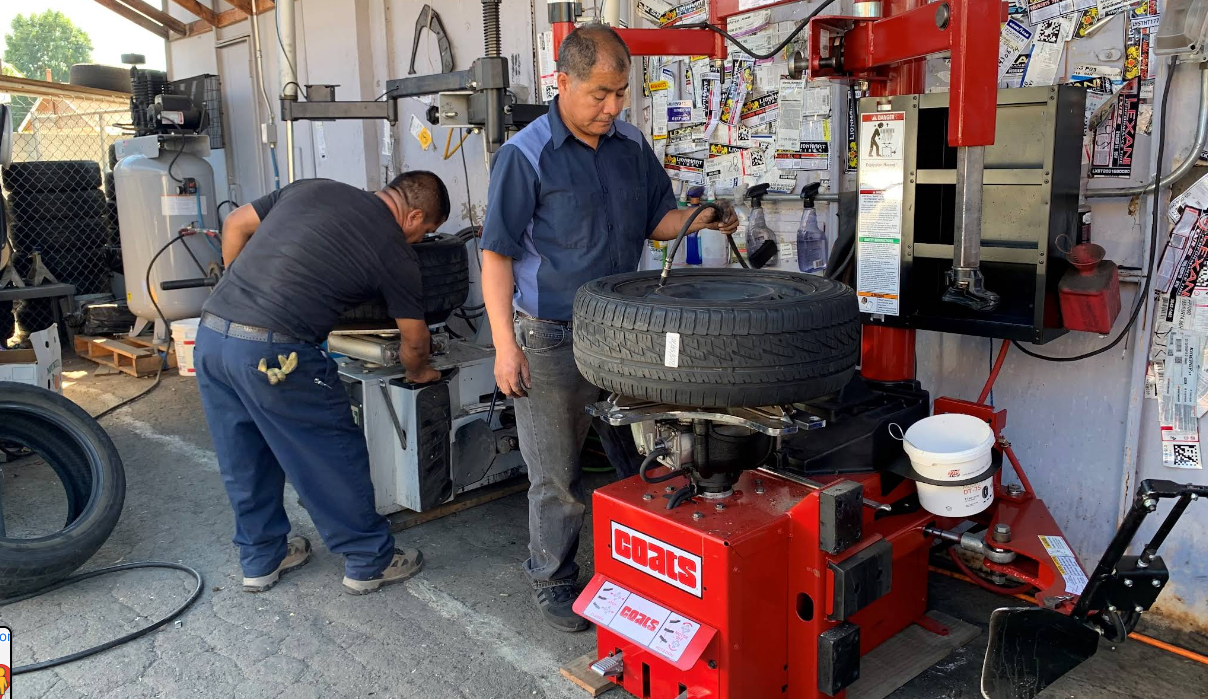
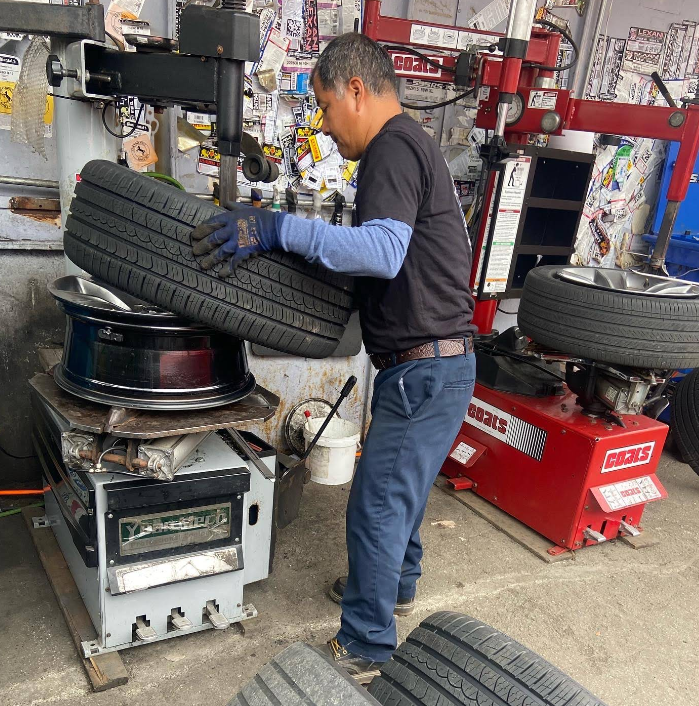
After external assessment, the tire is examined internally by demounting it from the wheel. This allows for detection of inner liner damage, which may not be visible from the outside. Internal inspection is essential for determining whether the tire can be safely repaired.
Pressure Testing and Leak Detection
Air pressure testing is used to locate leaks that may not be immediately visible. The tire is inflated and monitored for pressure loss, and soapy water or electronic detection methods may be used to pinpoint leak locations.
Structural Integrity Assessment
The final diagnostic step evaluates whether the tire’s internal structure has been compromised. This includes checking for separation, belt damage, or sidewall weakening that could affect long-term safety.
Tire Repair Methods and Techniques
Tire repair methods used in Monrovia, CA 91016 depend on the type and severity of the damage. Each repair approach is selected based on industry safety standards and tire condition.
Puncture Plugging and Sealing
For small punctures in the tread area, a plug may be inserted into the damaged channel to seal the air leak. This method addresses the entry point of the puncture and restores basic air retention.
Internal Patch Application
An internal patch is applied to the inner liner of the tire to reinforce the damaged area. This method provides a more durable seal compared to external-only repairs and helps restore structural stability.
Combination Plug and Patch Repair
In many cases, a combination of both plug and patch is used. This method addresses both the external puncture path and the internal lining, providing a more comprehensive repair solution for tread-area damage.
Valve Stem Replacement and Resealing
If air loss is caused by a faulty valve stem or bead seal issue, replacement or resealing may be required. This ensures that air retention is restored without addressing tread damage directly.
When Tire Repair Is Appropriate vs Replacement
Determining whether a tire should be repaired or replaced depends on the location, size, and severity of the damage. Tire repair in Monrovia, CA 91016 follows strict safety considerations to ensure roadworthiness.
Repairable Tread Area Damage
Tire damage located in the central tread area is often repairable if it is small in diameter and has not compromised internal structure. Proper inspection confirms whether the tire meets repair standards.
Non-Repairable Sidewall Damage
Damage to the sidewall or shoulder is generally not suitable for repair due to the high stress placed on these areas during driving. In such cases, replacement is typically recommended based on safety requirements.
Excessive Wear or Multiple Repairs
Tires that have reached low tread depth or have undergone multiple previous repairs may no longer be suitable for continued use. Structural fatigue becomes a concern in these situations.
Tire Repair Service Process at Melgar's Metro Tire
The tire repair process at Melgar's Metro Tire in Monrovia, CA 91016 follows a structured sequence designed to ensure accuracy and consistency in every repair case.
Initial Vehicle and Tire Assessment
The process begins with an evaluation of the tire while mounted on the vehicle. This helps identify symptoms such as vibration, air loss, or handling issues.
Tire Removal and Detailed Inspection
Once removed, the tire is carefully inspected both externally and internally to locate the exact source of damage and determine repair feasibility.
Repair Execution and Reassembly
Approved repairs are performed using appropriate sealing and reinforcement techniques. After repair, the tire is remounted and balanced to ensure smooth operation.
Final Pressure and Safety Check
The repaired tire undergoes final inflation and pressure testing to confirm that the repair holds and that the tire is ready for road use.
Schedule Your Service Today
This tire repair service page for Monrovia, CA 91016 outlines the structured approach used in evaluating, diagnosing, and repairing tire damage at Melgar's Metro Tire, focusing on safety, accuracy, and proper repair methodology.